21
Juli
The way people discover brands changed overnight, and most Indonesian brands haven't noticed yet.
Mid-2026, and the old playbook is already obsolete. The customer journey that marketing teams have optimized for the last decade—search Google, click website, convert—is no longer how decisions happen. It's faster now. Quieter. More direct.
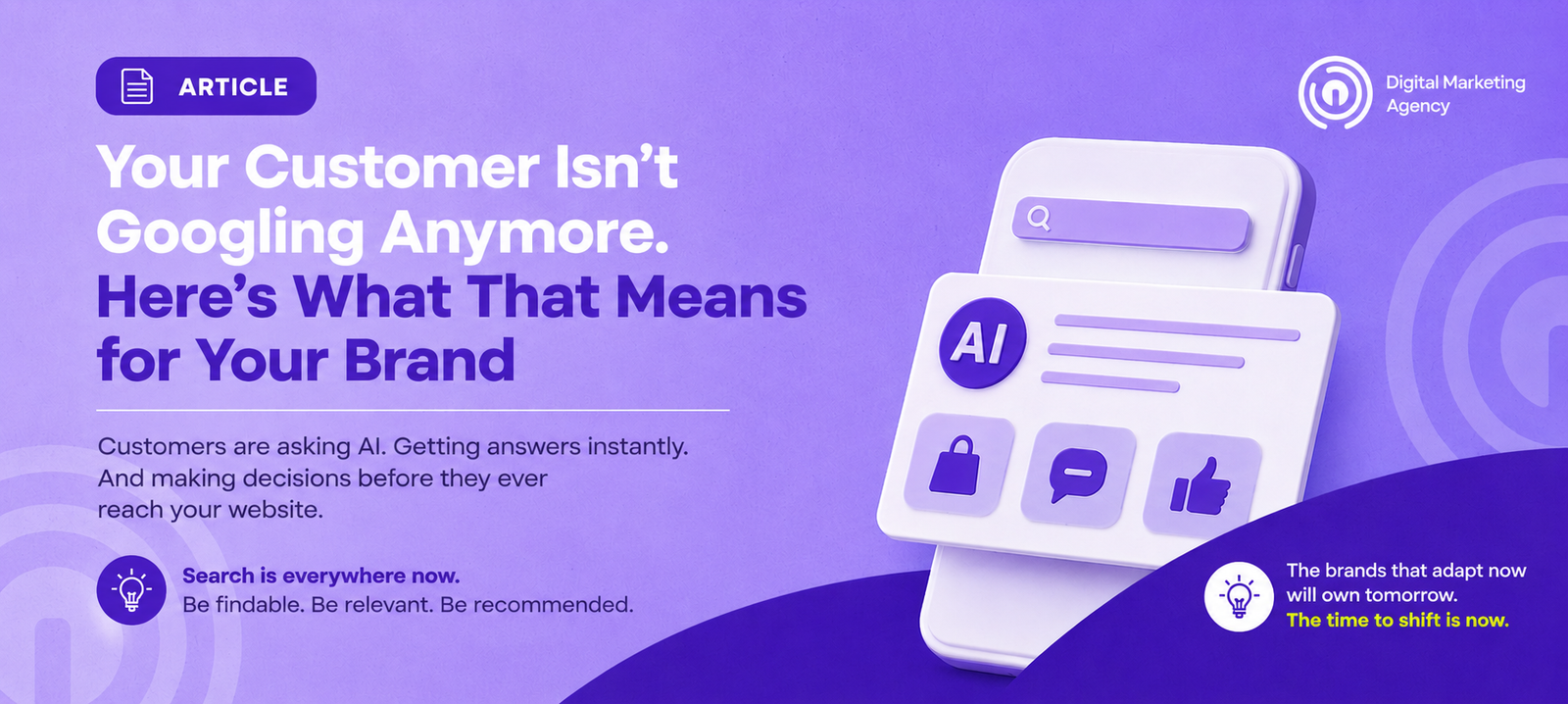
Customers are asking AI. Getting answers instantly. And making purchasing decisions before they ever reach your website.
This isn't doomsaying. It's opportunity. But only for brands that shift their thinking first.
The Reality Check
By now, you've probably seen AI Overview in Google search. But here's what's actually happening: consumers ask their AI assistant a question, get a direct answer with recommendations, and stop there.
No website visit. No brand discovery through traditional search.
The search journey that justified massive SEO budgets is collapsing.
Meanwhile, competitors who understood this shift 6 months ago? They're already building presence across AI platforms, social commerce, e-commerce search—everywhere discovery actually happens now. Not just Google.
What Dies. What Lives.
Traditional SEO focused on Google ranking? It's not dead, but it's no longer enough. Agencies that promise "rank number one for this keyword" are selling a partially broken solution.
What lives is Search Everywhere Optimization. The framework that ensures your brand is findable, contextually relevant, and recommended across every channel where your customer makes decisions. Google, yes. But also TikTok Shop, Instagram, AI summaries, ChatGPT recommendations, creator networks.
Think of it like retail strategy. You wouldn't put all your inventory in one store and hope people find it. You'd be in malls, standalone locations, marketplace kiosks. Same logic applies now to digital discovery.
The Immediate Play
Before you overhaul everything, ask yourself three things:
If the answer to any of these is fuzzy, you're leaving revenue on the table.
For Brands Running on Paid Media
Yes, paid still works for short-term goals. But if your entire strategy is "spend more on ads," you're in an increasingly expensive arms race where your cost per acquisition just keeps rising.
The smarter move? Parallel track. Keep paid media for immediate revenue, but simultaneously buildorganic assets: SEO that works across channels, community that generates word-of-mouth recommendations, content that gets quoted and referenced.
In 18 months, the brands investing now in organic foundations will have compound advantage. Their customer acquisition costs will be half what they are today.
What's Worth Your Attention
Here's what actually moves the needle in this new landscape:
Credible, specific content that answers real customer questions. Not brand storytelling. Utility. Solutions.
Distributed presence. Not just owned channels. You need to be where customers already are and where recommendations flow naturally.
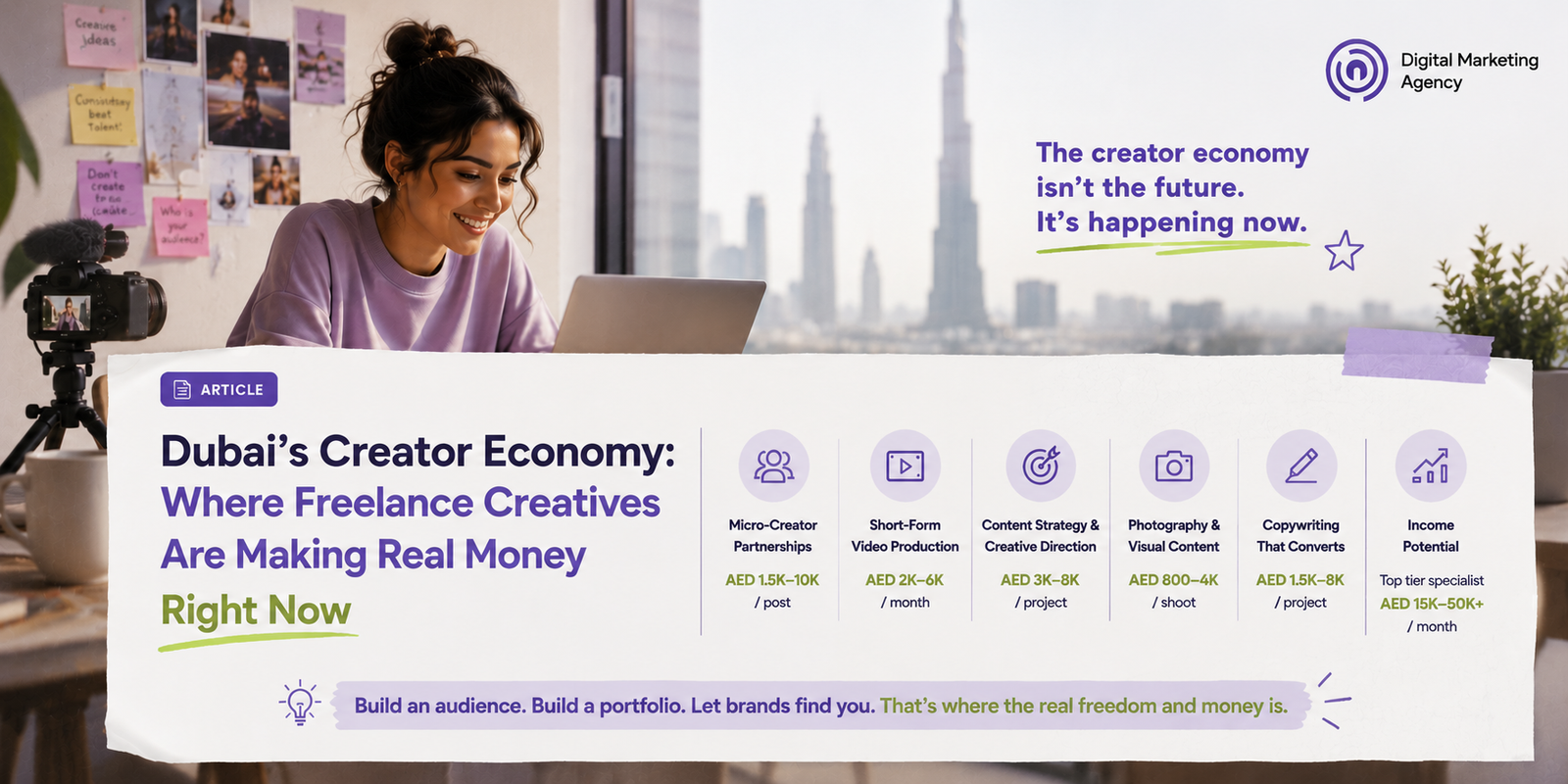
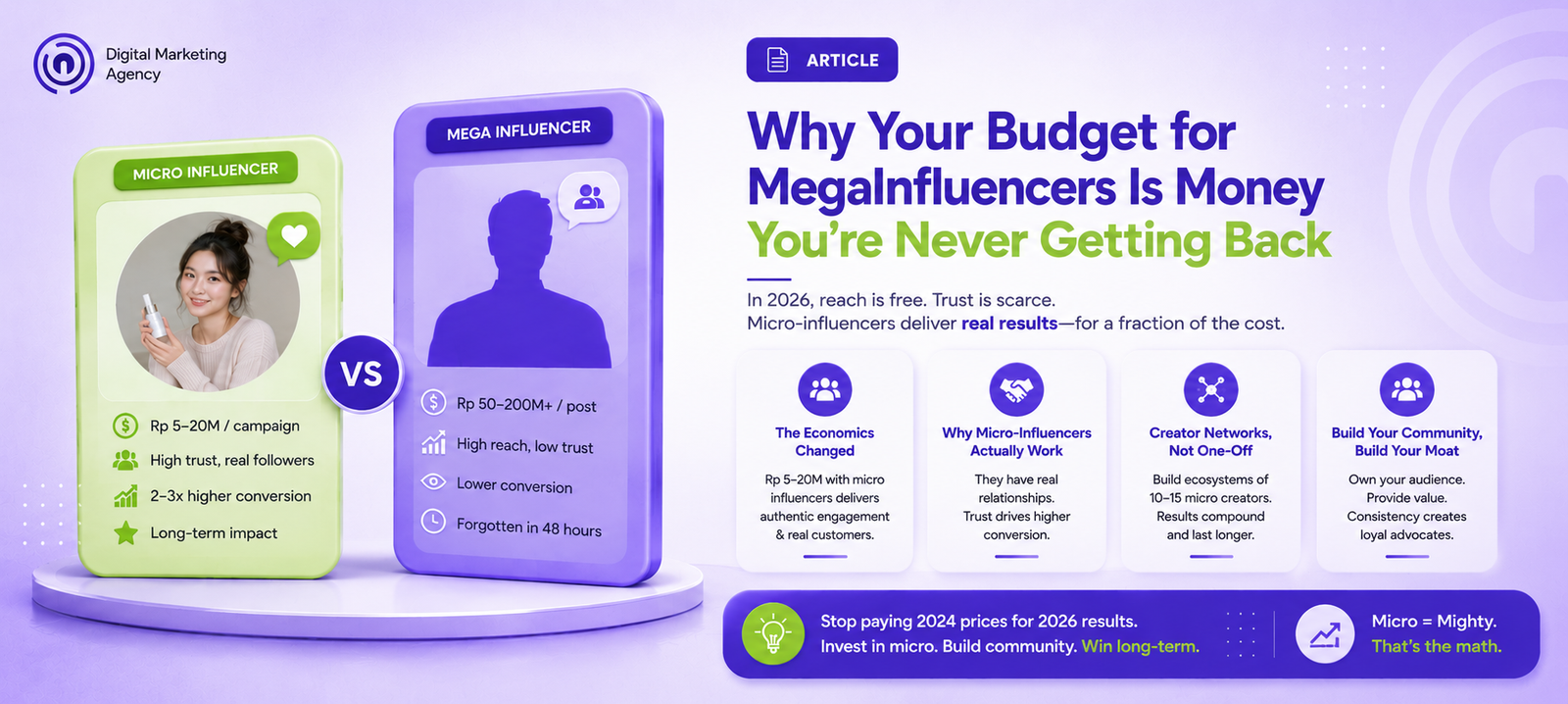
Community and creators. Word-of-mouth isn't a buzzword anymore; it's the most cost-effective acquisition channel. Micro and nano-influencers now convert better than mega-influencers because they're trusted within their niches.
Data that tells you what actually converts. Not vanity metrics. Real behavior tracking that shows which channels and messages drive revenue.
The Hard Truth
Most brands will be slow to adapt. They'll keep investing in the old playbook because it feels familiar and reporting is easier. By the time they realize it's not working as well, the gap will be wider.
The brands winning right now aren't the ones with the biggest budgets. They're the ones who understood the shift, built their presence accordingly, and are now capturing disproportionate share of customer attention and conversion.
If your strategy is still built around ranking Google and driving website traffic, you're already six months behind.
The time to shift isn't next quarter. It's now.
What part of your marketing strategy would actually break if customers stopped using Google the way they used to? That's where to focus first.